Antidot Regular Font: An Etsy Seller’s Review
As an embroidery business owner constantly scouting for versatile assets, finding a typeface that balances personality with commercial viability is a challenge. When evaluating Antidot Regular Font on Creative Fabrica, my primary focus is not just aesthetic appeal but practical application across a diverse product catalog. This review breaks down how this specific machine embroidery design performs for small shop owners, Etsy sellers, and craft entrepreneurs looking to expand their personalized gift offerings without compromising on stitch quality or production efficiency.
Visual Personality and Market Positioning
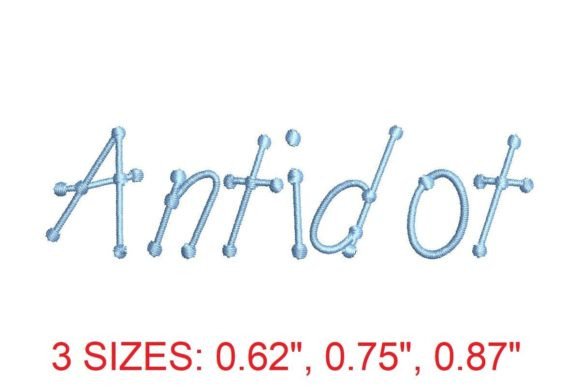
The first question I ask when downloading a new digital embroidery file is whether it feels premium or generic. Antidot Regular Font strikes a distinct balance that leans toward modern minimalism with a touch of playful charm. It does not feel overly ornate or strictly traditional, which makes it exceptionally versatile for current market trends. For an Etsy seller, this visual flexibility is gold. It avoids the dated look of standard system fonts while remaining legible enough for functional items.
In terms of vibe, this font reads as clean, contemporary, and approachable. It lacks the heavy distressing of rustic fonts or the elaborate swashes of formal script, positioning it perfectly for everyday custom apparel and handmade home decor. Whether you are targeting the Back To School niche or creating year-round boutique merchandise, the neutrality of Antidot Regular allows the fabric texture and thread color to take center stage. It supports a professional aesthetic that photographs well, ensuring your listing thumbnails remain crisp and readable even at small sizes.
Best Product Applications for Small Businesses
When planning my next collection, I categorize fonts by their best-use case. Based on the structure of Antidot Regular Font, I see immediate potential in several high-volume categories for creative entrepreneurs.
- Sweatshirt Embroidery and Custom Apparel: The letterforms appear substantial enough to hold up on fleece and French terry without getting lost in the nap. This makes it ideal for collegiate-style names or minimalist chest logos.
- Tote Bag Design: Canvas totes require bold, confident stitching. This font’s regular weight provides excellent coverage on natural fibers, making personalized messages pop against unbleached cotton.
- Kitchen Towel Embroidery: Linen and tea towels demand readability. Antidot Regular offers the clarity needed for monograms or family names while maintaining a soft, handmade feel rather than a rigid industrial look.
- Baby Embroidery: While often used for bold items, the clean lines work beautifully for nursery decor. It feels gender-neutral and modern, perfect for baby blankets or bibs where safety and softness are paramount.
- Embroidered Patches: For sellers creating iron-on patches, legibility at small scales is non-negotiable. This font’s straightforward construction suggests it will digitize cleanly for patch borders and text.
Evaluating Stitch Quality and Production Efficiency
A pretty font is useless if it causes thread breaks or requires excessive stabilizer. As someone who manages commercial embroidery workflows, I look for efficiency. Antidot Regular Font is described as meticulously crafted, which usually implies optimized stitch paths and appropriate density. However, because every machine handles tension differently, practical testing is mandatory before listing any finished product.
Before committing this embroidery file to a full production run, I recommend stitching out a sample on scrap fabric identical to your intended sellable item. Pay close attention to the stitch density. If the font is too dense for lightweight knits, it may cause puckering; if too sparse for towels, the fabric might show through. Adjusting your machine’s tension or adding a layer of tear-away stabilizer can often resolve minor issues. Always confirm the hoop size requirements listed on the Creative Fabrica product page to ensure the largest character set fits within your machine’s capabilities without re-hooping.
Thread Color and Fabric Pairing Strategy
The versatility of Antidot Regular Font shines when experimenting with thread colors. Because the design is relatively neutral, it acts as a chameleon. High-contrast threads (like white on navy) create a classic, nautical, or preppy look suitable for Back To School gear. Conversely, tone-on-tone stitching (such as sage green thread on olive linen) elevates the perceived value of handmade home decor, giving it a high-end boutique finish. When photographing your samples for social media previews or Etsy listings, test multiple colorways to demonstrate this range to potential buyers. Showing a customer that a single font style can yield three completely different aesthetics increases the likelihood of a sale.
Commercial Value and Licensing Considerations
For digital sellers and small shop owners, licensing is as important as stitch quality. Before selling any physical item featuring Antidot Regular Font, you must verify the specific license terms on the Creative Fabrica product page. Licenses vary; some allow unlimited commercial sales of finished products, while others may have caps or require attribution. Never assume a free download includes commercial rights for custom apparel or personalized gifts. Protecting your craft business means respecting intellectual property and ensuring your revenue stream is legitimate.
From a buyer-focused perspective, using a cohesive font like Antidot Regular across multiple product lines helps build brand recognition. When customers see consistent typography on your tote bags, sweatshirts, and kitchen towels, they begin to associate that clean, modern look with your shop’s quality. This consistency makes your products feel more giftable and professional. A unified aesthetic also simplifies your marketing; you can create printable mockups and product photography templates that work universally, saving time during busy seasonal rushes.
Practical Checklist for Listing Success
If you decide to add Antidot Regular Font to your asset library, follow this workflow to maximize its commercial potential:
- Verify Compatibility: Confirm the PES file format works with your specific machine brand before purchasing.
- Test Stitch-Out: Run a sample on target fabric to check registration and density.
- Photograph Real Samples: Avoid relying solely on digital mockups. Buyers trust photos of actual stitched texture.
- Check Thumbnail Readability: Zoom out on your listing photo. If the text blurs, increase the stitch size or contrast.
- Review License Terms: Document your commercial usage rights directly from the source.
- Create Variations: Test at least three thread/fabric combinations to showcase versatility.
Ultimately, Antidot Regular Font represents a solid investment for embroidery sellers seeking a reliable workhorse typeface. It bridges the gap between cute and professional, making it suitable for everything from baby blankets to adult apparel. By combining this meticulously crafted design with proper testing and strategic product placement, you can elevate your handmade offerings and provide customers with the captivating, personalized projects they are searching for. Always prioritize real-world testing over digital assumptions to ensure your final embroidered patch or sweatshirt meets the high standards your customers expect.