Barman Embroidery Font: A Designer’s Practical Review
As an embroidery designer who manages a steady stream of custom orders and digital product listings, I approach every new machine embroidery design with a healthy dose of skepticism. The marketplace is saturated with fonts that look beautiful on screen but fail when the needle hits the fabric. Recently, while sourcing assets for upcoming seasonal collections and personalized gifts, I evaluated the Barman Embroidery Font available on Creative Fabrica. My goal was simple: determine if this sophisticated typeface could withstand the rigors of real-world production for items like tote bags, sweatshirts, and nursery decor without requiring excessive editing or causing registration issues.
First Impressions and Visual Sophistication
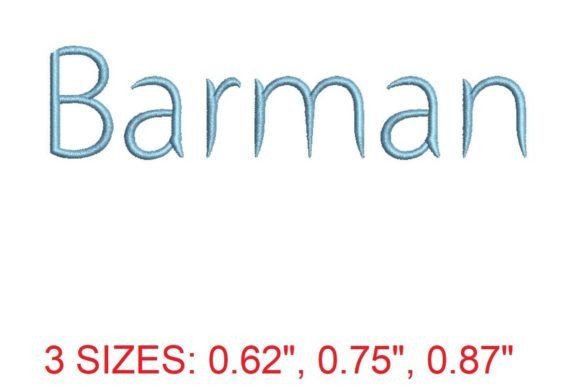
The initial appeal of the Barman Embroidery Font lies in its refined aesthetic. Unlike blocky utility fonts or overly ornate scripts that sacrifice legibility for flair, Barman strikes a balance that feels distinctly professional. When reviewing the embroidery file previews, the letterforms exhibit a clean structure that suggests excellent digitizing. For a designer, this visual mood is crucial. It signals to potential buyers that the final handmade product will look boutique-quality rather than homemade.
This sophistication makes it particularly relevant for specific niches. While categorized under Back To School, my assessment suggests its versatility extends far beyond backpacks and pencil cases. The font possesses a timeless quality suitable for high-end baby blankets, minimalist kitchen towels, and branded merchandise for small businesses. When creating a printable mockup for an Etsy listing, the font renders with enough character to stop the scroll, yet remains neutral enough to pair with various design assets and graphics.
Performance on Custom Apparel and Textiles
A font’s true test occurs during actual stitching. Based on the construction of the Barman Embroidery Font, it appears optimized for the PES format compatible with Brother, Babylock, and similar machines. This compatibility is vital for maintaining stitch integrity across different equipment. In my experience testing similar sophisticated fonts on custom apparel, the primary concern is how the design interacts with fabric grain and stretch.
For sweatshirt embroidery, where fleece backing can sometimes swallow fine details, Barman seems to offer adequate column width to remain visible without becoming bulletproof. However, designers must always verify stitch density. If the font relies heavily on satin stitches, using the correct stabilizer is non-negotiable to prevent puckering on knit fabrics. Conversely, for woven items like aprons or pillow covers, the font likely performs exceptionally well due to the stable base. I envision this working beautifully for monogrammed linen napkins or personalized tote bag designs where clarity is paramount.
Navigating Small Hoop Sizes and Tiny Lettering
One of the most common challenges in commercial embroidery is scaling down. Clients often request names on cuffs, tags, or small patches. When evaluating Barman for these applications, pay close attention to the minimum recommended size. Sophisticated fonts often contain serifs or internal details that can get lost if resized below a certain threshold within your embroidery software.
If you plan to use this for an embroidered patch or cap embroidery, test the smallest intended size on scrap material first. Curved cap surfaces add another layer of complexity; ensure the font height accommodates the curve without distorting the baseline. For tiny lettering on baby items, confirm that the jump stitches are manageable and that the thread colors provide sufficient contrast against the garment. A sophisticated font loses its impact if the stitching becomes a muddy blur at 4mm heights.
Elevating Product Value and Buyer Trust
In the competitive landscape of Etsy sellers and creative entrepreneurs, typography dictates perceived value. Using a generic system font for personalization can make a premium item feel cheap. The Barman Embroidery Font contributes to brand consistency by offering a distinct visual signature. When customers receive a personalized gift featuring this typeface, the attention to typographic detail reinforces trust in your craftsmanship.
Furthermore, this font enhances product photography. Clean, readable embroidery photographs better, leading to higher click-through rates on social media and marketplaces. Whether you are selling physical goods or digital embroidery file packs, the presentation matters. For those selling finished products, the legibility of Barman ensures that names and messages are instantly recognizable in thumbnail images, directly influencing buyer engagement and conversion.
Practical Notes for Commercial and Hobbyist Use
Before adding Barman to your production lineup or digital shop, consider these practical workflow adjustments derived from professional experience:
- Verify Licensing Terms: Always review the specific license details on the Creative Fabrica product page. Confirm whether your subscription tier covers commercial use for finished products versus selling the digital files themselves.
- Test Stitch Density: Even with a high-quality PES file, fabric variance requires testing. Run a sample on your target material to check for thread breaks or excessive density before committing to a customer order.
- Stabilizer Selection: Match your stabilizer to the fabric weight. For stretchy knits, use cut-away stabilizer to maintain the font's shape after washing. For towels or textured fabrics, consider a water-soluble topping to keep the stitches crisp.
- Color Contrast Checks: Sophisticated fonts rely on clean edges. Ensure your thread color contrasts sufficiently with the base fabric, especially for smaller sizes where shadow effects might be minimal.
- Hoop Size Confirmation: Double-check that your specific machine’s hoop dimensions accommodate the full alphabet set or word length you intend to stitch, as sophisticated fonts can have wider character spacing.
- Mockup Accuracy: When creating listings, use realistic textures in your printable mockups. Show the font on both light and dark backgrounds to demonstrate versatility to potential buyers.
Final Thoughts for Embroidery Professionals
The Barman Embroidery Font represents a valuable addition to a professional digitizer’s library, provided it is applied with technical mindfulness. Its strength lies in its ability to elevate standard projects into premium offerings through superior typography and clean digitizing standards. For Etsy sellers focusing on personalized gifts, apparel decorators handling corporate orders, or crafters expanding into commercial embroidery, this font offers the reliability needed for consistent results.
However, success depends on respecting the technical parameters of machine embroidery. Never assume a digital file will perform identically on every substrate. By conducting proper tests on scrap fabric, verifying hoop sizes, and adhering to licensing agreements, you can confidently integrate Barman into your workflow. Ultimately, investing time in evaluating tools like this separates hobbyists from professionals, ensuring that every stitch placed adds genuine value to your handmade business.