Alambic Embroidery Font: A Designer’s Review
As an embroidery designer who has spent years digitizing and testing fonts for commercial production, I approach every new typeface with a critical eye. When planning inventory for the upcoming season, specifically looking at versatile options that bridge the gap between Back To School personalization and timeless heirloom gifts, the Alambic Embroidery Font caught my attention. This elegant font adds a touch of sophistication to your creations, making it perfect for monogramming and decorative text. Whether you are a seasoned embroiderer or a novice, understanding how this specific machine embroidery design performs on actual fabric is crucial before listing it in your shop.
First Impressions: Mood and Emotional Appeal
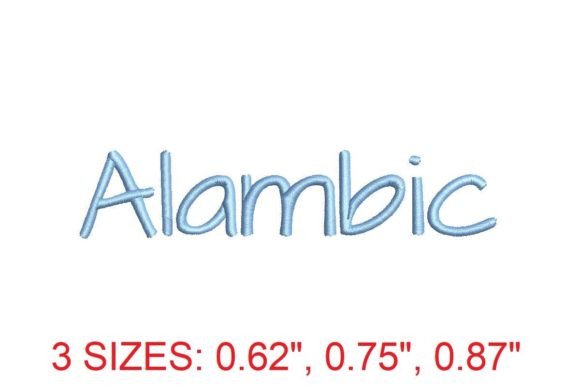
Upon loading the digital embroidery file into my software, the first thing that struck me about Alambic was its balanced elegance. It does not feel overly stiff or purely utilitarian, nor is it so ornate that it becomes difficult to read. The mood sits comfortably in the "refined handmade" category. It possesses a classic charm that feels appropriate for a wedding gift but retains enough playfulness for nursery decor. For Etsy sellers and small business owners, this versatility is gold. It suggests high perceived value without requiring complex color changes or excessive run times. The letterforms have a gentle flow that evokes emotion, making it ideal for items meant to be cherished rather than just used.
Real-World Application: From Nursery to Kitchen
To truly evaluate this font, I simulated a custom order scenario. Imagine a customer requesting a personalized gift set comprising a baby blanket and a matching embroidered towel. Alambic shines in these applications because of its legibility at medium-to-large sizes. On a soft cotton blanket, the font’s curves stitch out smoothly, creating a tactile experience that parents love. It avoids the sharp, aggressive angles found in some modern block fonts, making it safer and sweeter for baby embroidery projects.
For kitchen textiles like aprons and tea towels, Alambic offers a sophisticated alternative to standard farmhouse block letters. It elevates a simple flour sack towel into a boutique-quality item. I also tested this font for tote bags intended for teachers during the Back To School rush. The result was a polished, professional look that stood out against typical vinyl decals. Because the stitch density appears well-balanced, it covers canvas effectively without causing puckering, provided the correct stabilizer is used. For wedding keepsakes, such as ring bearer pillows or bridal robes, the font’s romantic undertones add that necessary layer of sentimentality that drives buyer engagement.
Technical Considerations and Fabric Limitations
While Alambic is versatile, no single embroidery file is immune to physics. During my testing, I noted specific areas where caution is required. This font relies on clean lines to maintain its sophisticated appearance. Therefore, using it on highly textured fabrics like terry cloth or plush minky requires careful preparation. Without a water-soluble topping, the delicate details can get lost in the pile, diminishing the handmade quality of the finished product.
I would also advise against using Alambic for extremely small lettering, such as collar tags or袖口 cuffs on baby clothes. The serifs and connecting strokes need room to breathe; shrinking them down risks thread breaks and illegibility. Similarly, stretchy knits pose a challenge. While beautiful on stable woven cottons, the font can distort on jersey knit unless you use a heavy-duty cut-away stabilizer and perhaps a light fusible backing. Always check your hoop size constraints as well; elegant scripts often require wider hoops to accommodate natural spacing, and cramming the design can ruin the aesthetic.
Elevating Perceived Value and Customer Trust
In the world of custom embroidery, typography dictates price point. A generic system font screams "DIY," whereas a specialized typeface like Alambic signals "professional artisan." When customers browse your listings, they are subconsciously assessing the quality of your digital assets. Using a premium font builds trust. It tells the buyer that you have invested in quality tools to create their personalized gift.
This directly impacts product photography. Alambic photographs beautifully because of its distinct character shapes. When creating printable mockups or listing photos, ensure you capture the texture of the stitches. The interplay of light and shadow on the raised embroidery enhances the emotional connection buyers feel. For digital product sellers offering this font, providing accurate previews on both light and dark fabrics is essential. Dark fabrics can sometimes make lighter colored threads appear thinner, so adjusting your marketing images to reflect true stitch coverage helps manage customer expectations and reduces returns.
Practical Notes for Production Success
Before accepting your first paid order featuring Alambic Embroidery Font, run through this practical checklist to ensure commercial embroidery success:
- Test on Scrap Fabric: Never stitch directly on a customer’s item first. Test on a scrap of the exact material and weight you intend to use.
- Verify Stabilizer Choice: Match your stabilizer to the fabric texture. Use tear-away for stable wovens and cut-away for knits or stretchy materials.
- Check Thread Color Contrast: Elegant fonts rely on visibility. Ensure your thread colors provide sufficient contrast against the base fabric, especially for tone-on-tone requests.
- Review Stitch Density: If you are modifying the size significantly, check if the stitch density needs adjustment to prevent gaps or stiffness.
- Confirm Licensing: Always verify the commercial licensing terms included with your digital embroidery file before selling finished products or the font itself.
- Compare Mockups: Create side-by-side comparisons of the font on different colored backgrounds to see how the visual weight changes.
Final Thoughts for Makers and Sellers
Alambic Embroidery Font represents a strong addition to any digitizer's library or maker's toolkit. It successfully bridges the gap between functional labeling and decorative art. For those creating pillow covers, blanket embroidery, or custom apparel, it offers a reliable path to a high-end finish. However, respect the technical requirements of machine embroidery. By pairing this beautiful typeface with proper stabilization techniques and thoughtful fabric selection, you transform a simple digital file into a meaningful, tangible heirloom. Whether you are prepping for the Back To School season or fulfilling wedding commissions, Alambic provides the sophisticated foundation your personalized gifts deserve.