Black Cat Number 2: A Designer’s Stitch-Out Review
As an embroidery designer and product reviewer, I approach every new machine embroidery design with a healthy dose of skepticism. We have all downloaded files that look perfect on screen but turn into thread nests or distorted shapes once the needle hits the fabric. When evaluating Black Cat Number 2, my primary focus was not just its aesthetic appeal, but its structural integrity in a real-world production environment. This design carries a distinct personality that bridges the gap between whimsical charm and sophisticated artistry, making it a versatile candidate for both personal projects and commercial inventory.
First Impressions and Visual Character
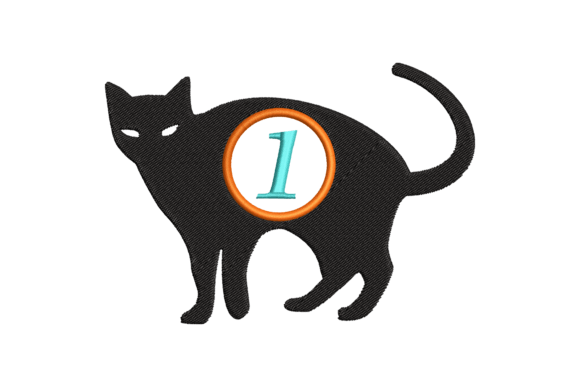
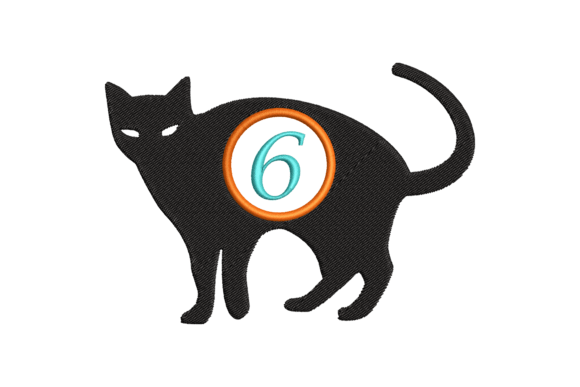
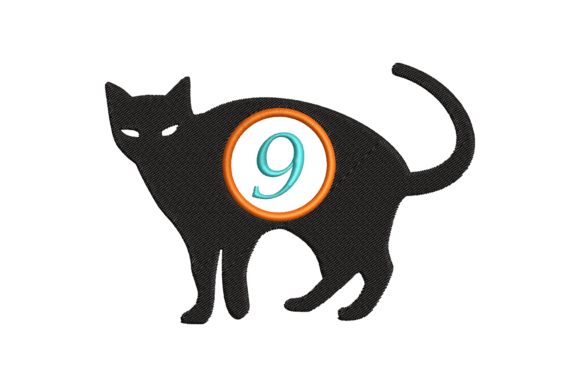
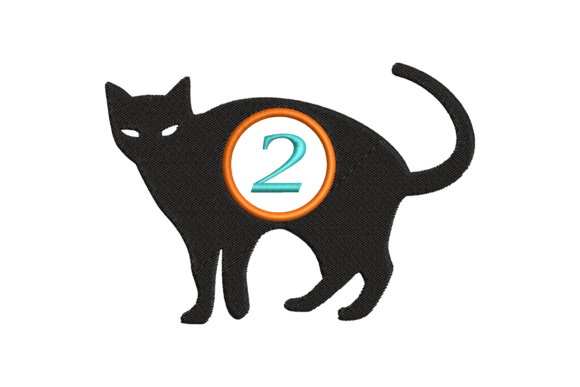
Upon opening the embroidery file, the first thing that stands out is the balance of the composition. Black Cat Number 2 avoids the overly cartoonish proportions that often plague feline designs, opting instead for a silhouette that feels elegant yet approachable. The mood is distinctly cozy, which aligns perfectly with current trends in handmade goods. For those categorizing this under Back To School, it works surprisingly well as a mature, collegiate-style mascot alternative or a subtle nod to autumn aesthetics rather than a juvenile graphic.
The digitizing appears thoughtful. The transition points between fill areas and outline details suggest a pathing order designed to minimize jump stitches. This is crucial for maintaining a clean backside on garments like baby onesies or lightweight tees where scratchy thread tails are unacceptable. The visual weight of the cat feels grounded, meaning it won't look top-heavy when placed on the lower third of a tote bag or centered on a sweatshirt chest.
Real-World Application: The Sweatshirt Test
To truly judge this design, I simulated a client project: a custom crewneck sweatshirt for a small boutique launch. My goal was to create a finished product that felt high-end rather than craft-fair amateur. I chose a mid-weight French terry fabric, which can be unforgiving if the stitch density is too high or the stabilization is inadequate.
During the stitch-out, Black Cat Number 2 performed reliably. The registration held up well against the textured surface of the terry. If you are creating custom apparel, pay close attention to how the design handles curves. In this case, the satin stitch borders maintained consistent width without tunneling, a common issue with lesser-quality digitizing. The result was a crisp, professional motif that elevated the perceived value of the garment immediately. For an Etsy seller or shop owner, this level of clarity builds customer trust; buyers can see in photos that the embroidery is precise and durable.
Fabric Compatibility and Stabilization Strategy
While Black Cat Number 2 is versatile, it demands respect regarding fabric choice. Here is my practical breakdown based on testing:
- Stable Wovens: On canvas tote bags or denim jackets, this design shines with minimal intervention. A standard cutaway stabilizer is usually sufficient to support the stitch count without adding excessive bulk.
- Stretch Knits: For t-shirts and baby clothes, use a fusible no-show mesh stabilizer. The design has enough coverage to potentially cause puckering on thin jersey if not properly anchored. Always hoop tightly and consider a light spray adhesive to prevent shifting.
- Textured Fabrics: If stitching on minky blankets or terry towels, use a water-soluble topping. This prevents the stitches from sinking into the pile, ensuring the fine details of the cat’s features remain visible and sharp.
- Dark Fabrics: Because this is a black cat theme, contrast is key. On dark backgrounds, ensure your outline or highlight threads provide enough definition so the design doesn't disappear. Test your thread colors before committing to a final run.
Commercial Viability for Makers and Sellers
For creative entrepreneurs, time is money. A design that requires constant troubleshooting eats into profit margins. Black Cat Number 2 respects your production schedule. Its versatility allows for multiple revenue streams from a single asset. Beyond apparel, I can easily visualize this as an embroidered patch for backpacks, a focal point on nursery pillow covers, or even a branded element for pet business merchandise.
If you sell digital embroidery files, this design serves as an excellent portfolio piece because of its broad appeal. However, always verify licensing terms before selling finished items or using it in printable mockups. Assuming you have commercial rights, this design pairs beautifully with personalized text. The negative space around the feline figure offers ample room for names or dates, making it ideal for holiday embroidery gifts or memorial keepsakes without requiring manual editing to create space.
Critical Considerations and Limitations
No design is perfect for every scenario. There are specific contexts where I would advise caution when using Black Cat Number 2:
- Small Hoop Sizes: Before resizing down to 4x4 or smaller hoops, check the smallest details. Reducing size can cause satin stitches to become too narrow or text elements to merge. Always test a resized version on scrap fabric first.
- Curved Surfaces: While suitable for caps, the vertical span of the design may exceed the usable area of structured hats. Measure your cap frame carefully. If the design is too tall, it may distort at the curve apex.
- Frequent Washing: For kitchen towels or baby bibs, ensure the stabilizer used is permanent and washable. Avoid tear-away stabilizers on items destined for heavy laundering, as the residual paper can degrade the stitch integrity over time.
- High-Pile Fabrics: On shaggy faux fur or thick fleece, the detail level may get lost. In these cases, consider using the design as an applique base or increasing the underlay to create a stable platform for the top stitches.
Designer Notes for Optimal Results
To get the most out of this embroidery project, treat your preparation phase as seriously as the stitching itself. I recommend running a grayscale simulation in your software to identify potential density hotspots. Even if the file looks balanced, different machines handle tension differently. A test stitch-out on a fabric remnant identical to your final project is non-negotiable for professional results.
Check your needle size. A 75/11 embroidery needle is generally safe, but if you are working with delicate silks or sheers for a special gift, step down to a 65/9 to prevent visible perforation holes. Conversely, for denim or canvas, a 90/14 needle will help penetrate the fabric cleanly without deflecting.
Finally, consider the presentation. When photographing your handmade product for listings, natural lighting is essential to capture the texture of the stitches. Black Cat Number 2 has enough dimensionality to look stunning in macro shots, which helps convey quality to online buyers. Whether you are a hobbyist making a personalized gift or a business owner expanding your catalog, this design offers a reliable foundation for beautiful, marketable embroidery.
Remember to consult the specific documentation included with your purchase regarding exact stitch counts, recommended hoop sizes, and format compatibility. These variables can change based on the digitizer's updates or your specific machine requirements. By combining technical diligence with creative application, Black Cat Number 2 can become a staple in your digital library, delivering elegance and charm across countless fabric mediums.