Black Cat Number 1: Craft Fair Review
As an experienced embroidery designer preparing for a busy weekend craft fair, my selection process is rigorous. Every machine embroidery design chosen for production must earn its place on the table. It is not enough for a file to simply stitch out cleanly; it must translate into a profitable craft fair product that catches the eye of passersby and converts interest into sales. When evaluating Black Cat Number 1, I am looking at more than just a cute motif. I am assessing its commercial viability across multiple substrates, its visual impact in a crowded booth, and its efficiency during batch production. This review breaks down exactly how this specific embroidery file performs when transformed from digital assets into tangible, sellable goods.
First Impressions and Booth Appeal
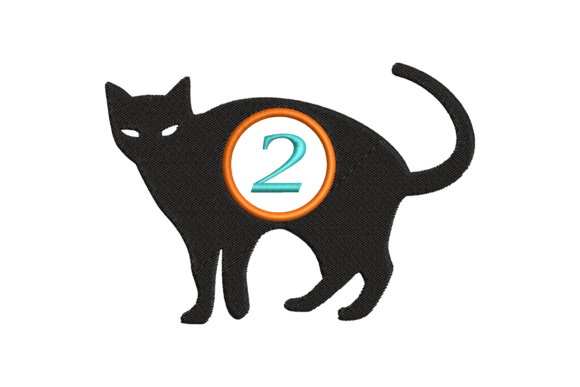
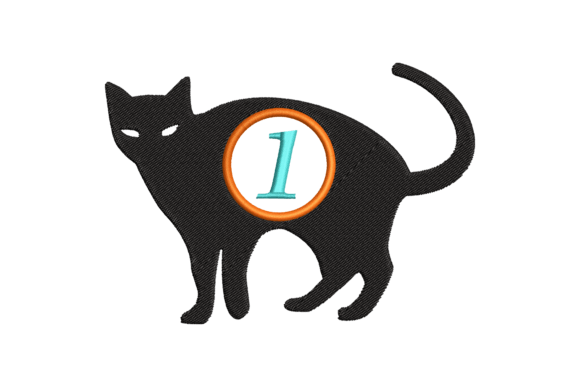
The initial assessment of Black Cat Number 1 suggests a design that balances charm with distinct visibility. In the context of a handmade market, customers often scan tables quickly. A successful tote bag design or apron graphic needs to be readable from three to five feet away. Based on the description emphasizing elegance and unique appeal, this design likely possesses strong silhouette definition. For a booth display, this means the black cat motif will serve as an excellent anchor piece. It avoids being overly intricate to the point of visual noise, which is crucial when displaying items like tea towels or market bags where texture can sometimes compete with the art.
While categorized under Back To School, this design transcends seasonal limitations. The "Number 1" element implies a ranking or priority status, which adds a layer of narrative value. Is it the best cat? The first choice? This subtle storytelling enhances the perceived value of the handmade product. When placed on a canvas tote or a denim apron, the contrast of a bold black figure against lighter fabrics creates immediate focal points. For an Etsy seller or boutique maker, this high-contrast readability is essential for thumbnail images, ensuring the design remains recognizable even when scaled down on mobile screens.
Product Application and Merchandising Strategy
Determining where Black Cat Number 1 fits best requires understanding fabric behavior and customer demographics. Not every digital embroidery file suits every substrate. Here is how I evaluate this design for specific inventory categories:
- Tote Bags and Market Shoppers: This is the primary application. Canvas and linen provide a stable base that supports detailed stitching without distortion. The "elegance" noted in the description pairs perfectly with natural fibers, elevating a simple utility bag into a fashion statement.
- Kitchen Textiles: As a tea towel embroidery option, this design works well if the stitch count is moderate. Heavy fill areas can make towels stiff and less absorbent. If Black Cat Number 1 utilizes running stitches or satin borders rather than dense fills, it becomes a premium kitchen gift rather than a decorative-only item.
- Apparel and Accessories: For apron embroidery, placement is key. Center-chest or lower-hem placements allow the design to lay flat against the body. On caps, however, caution is required. Unless the design is specifically digitized for curved surfaces, the "Number 1" text elements may distort on the seam of a structured hat.
- Patches and Pouches: Creating an embroidered patch version allows for versatile selling. Customers who do not want permanent embroidery can still purchase the art. Small zipper pouches are also ideal for utilizing leftover hoop space during larger production runs, maximizing material efficiency.
Production Practicality and Technical Considerations
A beautiful design that takes four hours to stitch is rarely viable for a low-to-mid price point small shop product. When reviewing Black Cat Number 1 for commercial use, I analyze the balance between aesthetic complexity and production speed. The mention of "unique and eye-catching" details suggests there may be intricate elements. While these add value, they also increase the risk of thread breaks and registration errors during unattended stitching.
I strongly advise checking the stitch density before committing to bulk production. Dense designs on textured fabrics like waffle weave or terry cloth can lead to puckering or lost details. If the design includes fine lines or small lettering associated with the "Number 1" aspect, verify that these elements remain legible at smaller sizes. Scaling down a complex commercial embroidery design often results in thread buildup that obscures the art. Always test the minimum viable size before listing resized versions in your shop.
Furthermore, consider the hoop size requirements relative to your equipment. Maximizing hoop usage reduces re-hooping time. If Black Cat Number 1 fits comfortably within a standard 4x4 or 5x7 hoop with adequate margin for stabilization, it is a candidate for rapid turnover. However, if it pushes the limits of the hoop, the risk of framing errors increases, potentially raising your waste rate.
Critical Use Notes for Makers
Even the most elegant design assets have limitations. To ensure Black Cat Number 1 maintains its quality across different products, keep these technical constraints in mind:
- Fabric Texture Compatibility: Avoid placing highly detailed sections of the cat’s face or the number typography on high-pile fabrics. The texture will swallow fine stitches, making the design look muddy.
- Thread Contrast Verification: Since the subject is a black cat, stitching on dark navy, charcoal, or black fabric requires careful planning. You may need to use a white underlay or outline to create separation, otherwise, the design will disappear visually.
- Stabilizer Selection: Do not rely solely on tear-away stabilizer for stretchy knits or loose-weave linens. Use a cut-away or fusible mesh to prevent the "elegance" from turning into a distorted mess after washing.
- Small Lettering Caution: If the "Number 1" includes serif fonts or thin strokes, test stitch on scrap fabric first. Satin stitches below 1mm width can fray or break easily during wear and laundering.
Designer Checklist for Commercial Success
Before loading Black Cat Number 1 into the machine for a full production run, complete this professional validation checklist. Skipping these steps is the difference between a hobbyist output and a professional finished product.
- Test Stitch on Target Fabric: Never assume a design behaves the same on quilting cotton as it does on canvas or denim. Run a physical test on the exact material you intend to sell.
- Review Thread Colors: Confirm that your thread palette matches the intended mood. A matte black thread reads differently than a rayon sheen. Choose based on whether you want a rustic or modern finish.
- Create Real Mockups: While printable mockup software is useful for listings, photograph a real sample for social media. Customers trust photos of actual apron embroidery or tote bags over digital renders.
- Verify Licensing: Ensure your license for Black Cat Number 1 covers the specific end products you plan to sell. Some licenses restrict mass production or specific item types.
- Check Spacing and Margins: Ensure the design does not stitch too close to seams or edges, especially on pouches and pillow covers. Adequate negative space frames the art and signals high-end craftsmanship.
Elevating Brand Value Through Design Choice
Ultimately, selecting Black Cat Number 1 is a strategic business decision. Its blend of elegance and charm positions it as a versatile asset for both Back To School promotions and year-round pet lover gifts. By treating this embroidery file with professional scrutiny—testing densities, respecting fabric limitations, and validating market appeal—you transform a simple digital download into a cornerstone of your handmade business. Whether displayed on a bustling craft fair table or featured in an Etsy listing, the success of the product relies on the maker's dedication to quality execution. When produced with care, this design has the potential to become a signature item that defines your brand’s aesthetic and drives consistent sales.