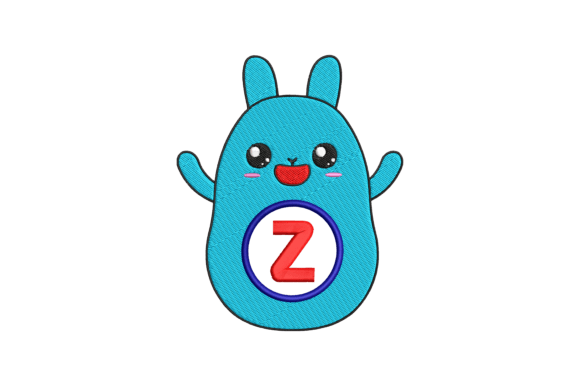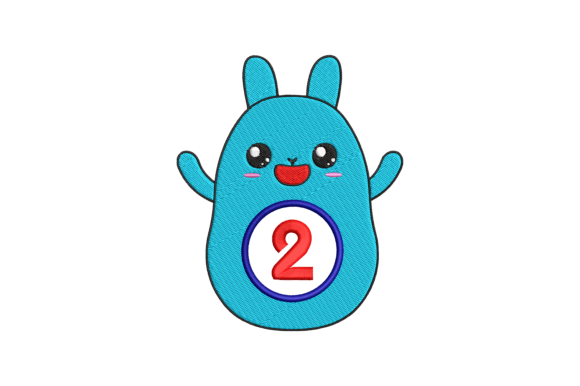
Cute Rabbit Number 2: A Craft Fair Embroidery Review
As an experienced embroidery designer preparing for a busy weekend craft fair, I approach every new machine embroidery design with a critical eye. It is not enough for a file to simply look good on a computer screen; it must translate into a tangible, sellable item that catches the attention of shoppers walking past a booth. When evaluating Cute Rabbit Number 2, my primary focus is on its commercial viability for handmade market products. This design promises to elevate fabric with elegance and charm, but as a business owner, I need to know if it can withstand the rigors of batch production and resonate with customers looking for unique Back To School items or nursery decor.
First Impressions and Market Appeal
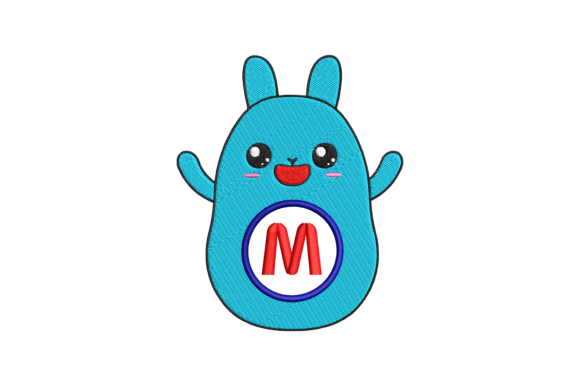
Upon loading the embroidery file, the immediate impression of Cute Rabbit Number 2 is one of soft sophistication. It strikes a delicate balance between playful and refined, avoiding the overly cartoonish aesthetic that can sometimes limit sales to only young children. Instead, this design feels versatile enough for a broader demographic, including parents, teachers, and gift buyers. The "cute" factor here leans toward a modern farmhouse or boutique style rather than generic clip art, which significantly increases its perceived value as a premium handmade product.
For a craft fair table display, visual hierarchy is everything. Customers often decide within seconds whether to stop at a booth. Cute Rabbit Number 2 has the potential to serve as a strong focal point because of its likely clean lines and charming character expression. In the context of Back To School season, this rabbit avoids being overtly academic, making it a perennial seller that remains relevant long after the first bell rings. It suggests a sense of comfort and nostalgia, which are powerful emotional triggers for buyers browsing through racks of embroidered goods.
Best Product Applications for Booth Sales
Determining where to place this design is just as important as the stitching itself. Based on the elegant yet approachable nature of Cute Rabbit Number 2, I have identified several high-potential applications for my upcoming market setup:
- Tote Bag Design: Canvas totes are craft fair staples. This rabbit would work beautifully centered on a natural or cream-colored canvas bag. The contrast of dark thread against light fabric ensures visibility from a distance, drawing customers in to inspect the stitch quality up close.
- Tea Towel Embroidery: Kitchen linens are high-volume sellers. Because the description mentions adding elegance to fabric, this design is ideal for flour sack towels. It transforms a utilitarian item into a giftable piece of decor. Ensure the placement is slightly above center so it isn't lost when the towel is folded or hung.
- Apron Embroidery: For a cohesive collection, placing Cute Rabbit Number 2 on the chest or lower pocket of a linen apron creates a professional, boutique-ready look. This appeals to bakers, gardeners, and parents who want functional gear with personality.
- Embroidered Patch: If you have leftover scrap fabric, consider turning this design into iron-on patches. Patches have a lower price point and allow customers to customize their own jackets or backpacks later, extending the life of your inventory beyond the fair.
- Fabric Pouches and Zipper Bags: Small cosmetic or pencil cases are excellent impulse buys. The compact nature of a rabbit motif usually scales well to these smaller formats without losing detail, making them perfect add-on items at checkout.
Production Practicality and Batch Efficiency
When running a small shop or preparing for a market, time is money. I evaluate Cute Rabbit Number 2 based on how easily it fits into a production workflow. A major selling point for this specific artwork is its adaptability. Unlike complex landscapes or dense photographic designs, a stylized rabbit typically allows for faster run times while maintaining high visual impact. This makes it an excellent candidate for batch hooping. You can likely fit multiple tea towels or pouches in a single large hoop, reducing the number of thread trims and stabilizer changes required.
From a digital sales perspective, if you are also an Etsy seller offering the digital embroidery file, this design photographs exceptionally well. The distinct shape of the rabbit reads clearly in thumbnail images, which is crucial for click-through rates. For physical products, creating a printable mockup or listing photo that shows the texture of the stitches helps convey the "art form" quality mentioned in the product description. Buyers want to see that the design isn't just ink on fabric, but a tactile, raised creation that adds genuine value.
Critical Technical Considerations for Makers
Despite its charm, Cute Rabbit Number 2 requires careful technical assessment before mass production. As designers, we must anticipate how the stitch density interacts with various substrates. If the rabbit features filled satin stitch areas, be wary of using it on loosely woven fabrics without adequate support. Dense stitching on thin cotton can cause puckering, which instantly devalues a finished product. Always test on scrap fabric that matches your final product weight.
Pay special attention to fabric texture. While this design elevates smooth fabrics, it may struggle on highly textured terry cloth or waffle weave unless you use a water-soluble topping. The fine details of the rabbit’s face or ears could get lost in the pile of a thick towel. Additionally, verify the minimum size. Shrinking a design too much can cause tiny lettering or facial features to merge into unreadable blobs. If Cute Rabbit Number 2 includes small text elements, maintain the original aspect ratio or remove the text entirely for smaller applications like patches.
Stabilizer choice is non-negotiable. For tote bags and aprons, a medium-weight cutaway provides the permanent stability needed to prevent distortion during washing. For tea towels, a tear-away might suffice, but only if the design is light enough. Never guess; always confirm the recommended hoop size and stabilizer type provided by the digitizer. Using the wrong combination is the fastest way to ruin expensive blanks and waste valuable pre-fair prep time.
Enhancing Brand Value and Customer Engagement
Ultimately, Cute Rabbit Number 2 is more than just a pretty picture; it is a tool for building brand consistency. When customers see this rabbit across multiple product types—from caps to pillow covers—they begin to associate that specific aesthetic with your shop's quality. This recognition builds trust. At a craft fair, having a coordinated display featuring this design signals professionalism. It tells the buyer that you are a serious maker curating a collection, not just randomly stitching whatever files are handy.
Engagement increases when customers can visualize the design in their own lives. Display a sample tote bag next to a matching tea towel to encourage bundling. Use signage that highlights the "handmade" and "elevated elegance" aspects of the embroidery. If you are selling the design assets themselves to other crafters, emphasize the commercial licensing terms clearly. Many buyers are fellow entrepreneurs looking for reliable, tested designs for their own commercial embroidery ventures. Being transparent about usage rights protects your business and builds community goodwill.
Final Designer Checklist Before Selling
Before listing Cute Rabbit Number 2 as a featured item in your booth or online store, complete this practical checklist to ensure success:
- Test Stitch-Out: Run the design on the exact fabric you intend to sell. Check for registration issues, thread breaks, or excessive density.
- Thread Contrast Check: Verify that your chosen thread colors provide enough contrast against the base fabric. Pastel threads on white fabric often disappear in photos and dim lighting.
- Licensing Verification: Double-check the license included with the purchase. Confirm you have the right to sell finished products or modify the design for commercial use.
- Mockup Creation: Photograph at least one real, stitched sample. Avoid relying solely on digital renders, as handmade buyers value authenticity.
- Pricing Strategy: Calculate your costs based on actual stitch count and production time. Ensure the price reflects the "elegance and charm" promised in the description.
By treating Cute Rabbit Number 2 with this level of professional scrutiny, you transform a simple digital file into a robust revenue stream. Whether it ends up on a child’s school bag or a teacher’s favorite apron, thoughtful execution ensures that this embroidery truly elevates both the fabric and your business reputation.